
Words by Mats Linder
If you’ve spent any time in Oslo, or even just watched Norwegian television, you’ve likely seen a lamp by Birger Dahl. His designs glow softly over restaurant tables and café counters, within easy reach of everyday life. Yet his work also lights the halls of power: the Norwegian Parliament, Oslo City Hall, and the Government Quarter’s high-rise building. Few designers have left a mark as distinct as Dahl’s during a period when modern democracy, and modern design, were both taking shape in Europe.

|
 |

Birger Dahl (1916–1998) never seemed interested in the spotlight. He was a private man. In his home, mirrors were hidden behind sliding wooden panels, tucked away behind doors, or placed so high on the wall they were barely usable. It’s almost poetic that someone so reserved became one of Norway’s most influential designers.

During World War II, Dahl studied interior architecture and briefly filled in for his teacher, Arne Korsmo, who had moved to Sweden. After the war Dahl co-founded Norwegian Interior Architects’ Association (NIL), and joined the lighting manufacturer Sønnico, a partnership that would define both his career and Norwegian lighting design for decades to come. Rooted in Bauhaus modernism, he charted his own course and became one of Scandinavia’s defining figures during the golden age of Scandinavian Design in the 1950s.

|
 |

Birger Dahl wanted to bring Norwegian design to the world. In 1954, he and Sønnico exhibited at the Milan Triennale, one of the era’s most important international showcases. There, he presented two lamps that would become enduring classics. The pendant S-10053, and the S-30016 table lamp both earned Dahl gold medals in Milan. Today, they live on through Northern under the names Dokka and Birdy.

|
 |
His lighting designs also became part of Norway’s political identity. Oslo City Hall still features his robust wall lamps on the exterior façade. For the Parliament, he created a series of wall and pendant lights, including a centerpiece of a chandelier in the politicians’ dining hall. He also designed fixtures for the Government Quarter´s high-rise building including a striking cylindrical pendant for the Council Chamber and lights for the lobby, grouped in clusters of four, reflecting his balanced sense of rhythm and form. Dahl’s lamps, in many ways, lit both the nation’s democracy and its everyday homes.

 |
 |


For Birger Dahl, no project was beneath consideration. He believed good design should touch every part of daily life. His hand can be found in the most ordinary things like wallpapers, door handles, kitchen sinks, even domestic heaters, objects that quietly shaped the Nordic home. In 1968, he received the Jacob Prize, Norway’s highest recognition for a designer.

More than two decades after his passing, Birger Dahl’s work still radiates the same calm confidence as the man himself — quiet, refined, and deeply human.


Top Illustration: Magnus Voll Mathiassen / ByHands
Photo credits: Fuglen, Elisabeth Heier, Teigens Fotoatelier (DEXTRA Photo), Kjell Munch, Mats Linder, The Norwegian Parliament Archives, Aslak Gurholt, Ukrut.no
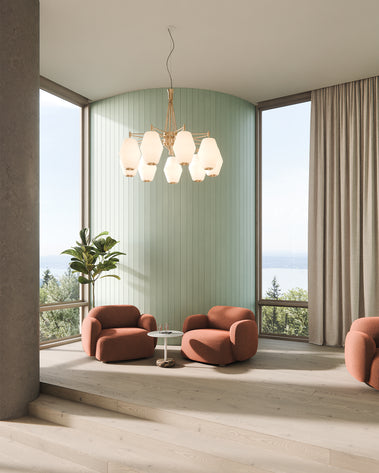
Dahl chandelier
From DKK 24.190 kr
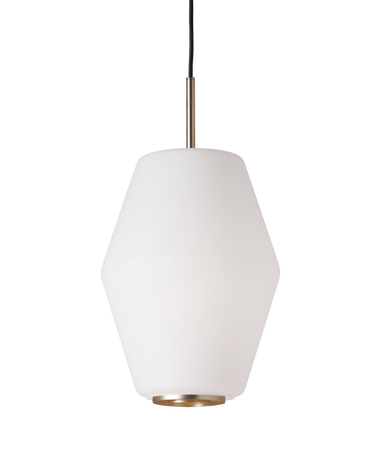
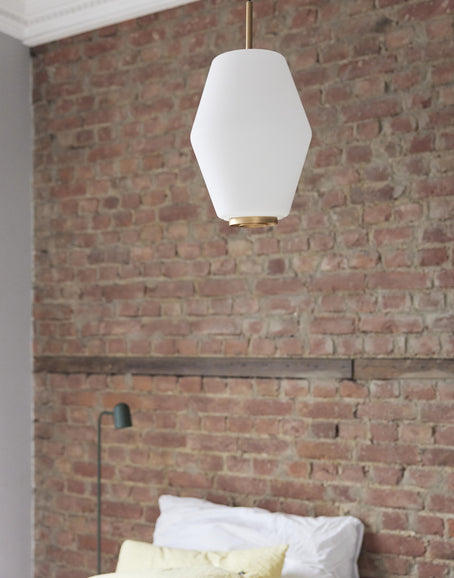
Dahl pendant lamp large
DKK 3.290 kr
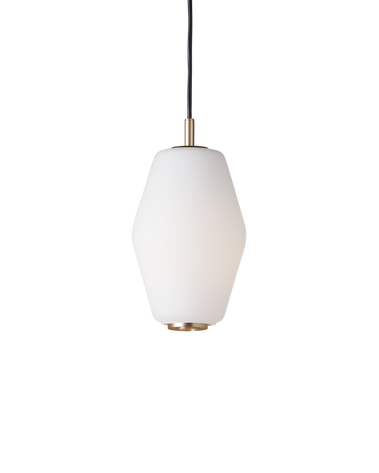
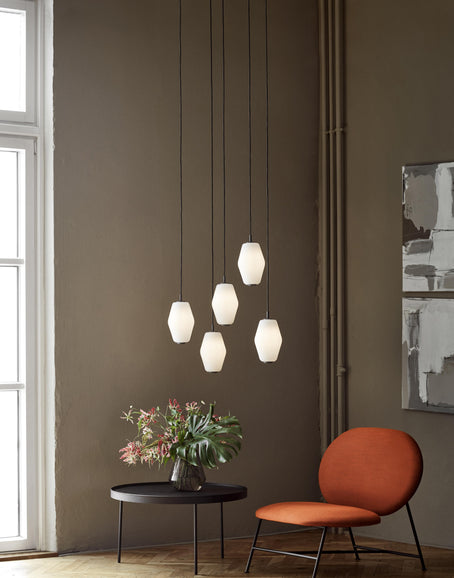
Dahl pendant lamp small
From DKK 2.590 kr
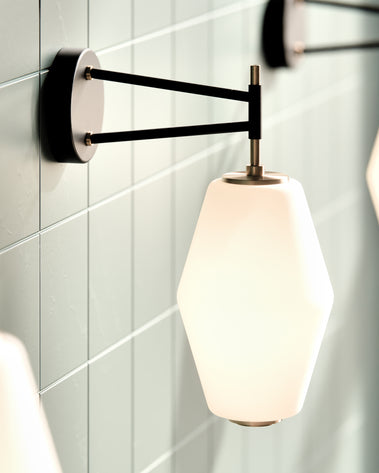
Dahl wall lamp
DKK 2.790 kr

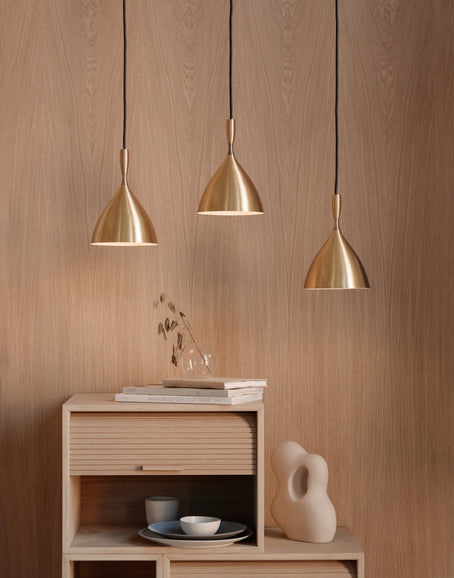
Dokka pendant lamp
From DKK 2.290 kr


Birdy swing floor lamp
DKK 4.490 kr


Birdy swing table lamp
DKK 3.190 kr


Birdy floor lamp
DKK 4.490 kr

Birdy swing wall lamp
DKK 2.790 kr


Birdy table lamp
DKK 3.190 kr
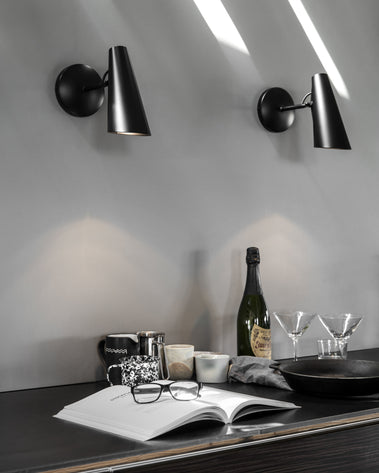
Birdy wall lamp
DKK 2.790 kr
Your cart
0 items